
Most Aussie players treat the felt like a coin toss, but the seat you choose changes the maths before a card is even dealt. I’ve spent years tuning acquisition funnels for iGaming operators across global markets, and the same principle applies here: early data beats late guesses. When you read position correctly, you stop bleeding chips on marginal hands and start pressing advantages where the odds actually sit. It’s not about luck, it’s about controlling the flow of every street.
Reading Table Flow Before You Commit Chips
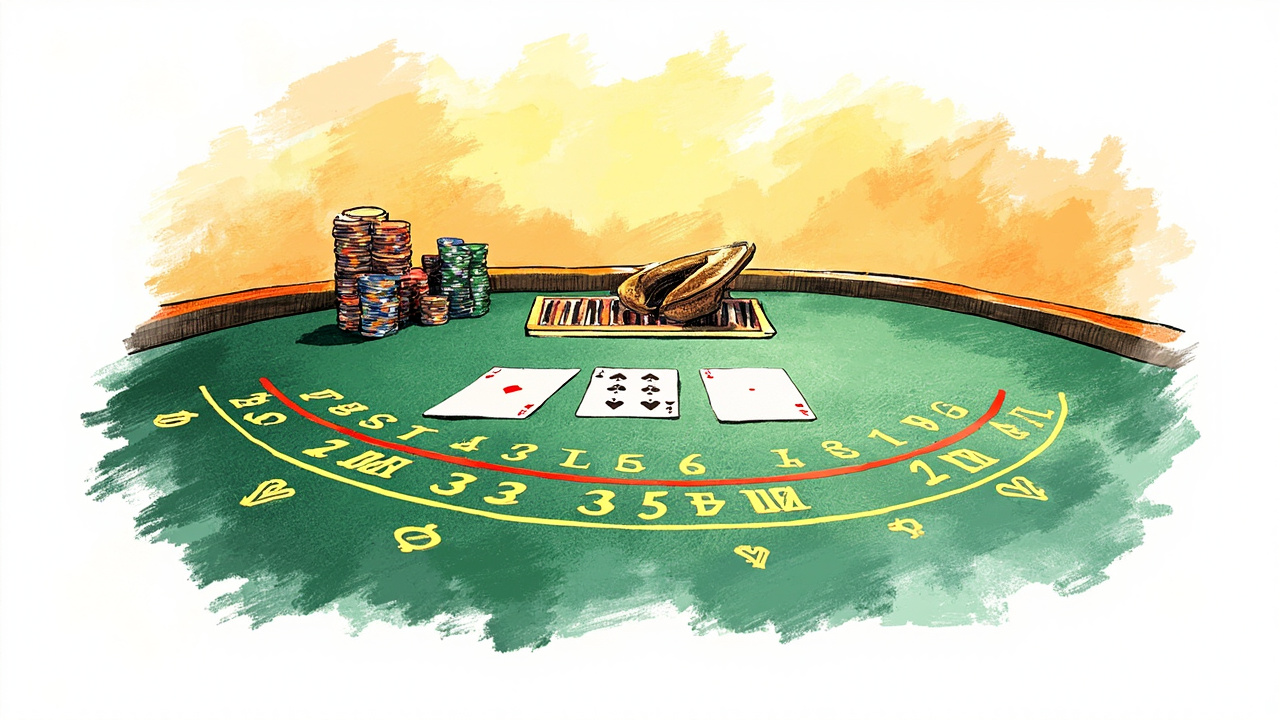
Position dictates how much information you hold relative to your opponents, which is why a tight approach from the small blind often folds into a loose disaster on the button. In my Melbourne office, we measure conversion quality by how many users actually understand the product before they deposit, and poker works the same way. A player who recognises that acting last on the flop, turn, and river gives them a clear view of opponent intentions will rarely overcommit from early seats. The practical walkthrough starts with tracking where you sit relative to the dealer button across multiple orbits, noting how often you face raises or complete bluffs from later positions. When you hold the advantage of acting after others, you can call lighter, bluff more selectively, and extract value when your hand strength is clear. That same discipline shows up in campaign performance: if you push traffic before the landing page loads properly, you waste spend. Here, acting late gives you the data you need to make a measured decision rather than guessing in the dark. The table flow matters because every street adds information, and the player who collects that information last controls the size of the pot more effectively.
Applying Late Position Leverage Across Sessions
Late position play is where marginal hands gain real equity, provided you understand the range of hands your opponents are likely to show. I’ve reviewed countless operator landing pages where the call to action sits too far down the page, and users bounce before they ever see the offer; poker position strategy explained works on the same principle of timing your move when the picture is clearest. When you sit on the cutoff or button, you can open wider because you’ll act last on every subsequent street, giving you a structural edge that compounds over a long session. The walkthrough here is straightforward: start by tightening your opening ranges from early seats, then gradually widen them as you move toward the button, while keeping your post-flop aggression calibrated to the players left to act. You will notice that calling stations often respect your late-position raises more than they should, which lets you build pots with hands that would be unprofitable out of position. That same pattern appears in acquisition funnels where a well-timed offer after a user has engaged with content converts far better than a premature push. The key is recognising that late position is not a license to play every hand, it is a tool for selecting the right moments to exert pressure and fold when the board texture turns against your range.
Managing Early Position Discipline And Pot Control
Early position requires a tighter range and a willingness to let marginal opportunities pass, because you are acting with the least information and the most players left to act behind you. In my work optimising global acquisition campaigns, I’ve seen how a poorly timed bid in a crowded auction burns budget fast, and the same logic applies when you open from under the gun with a weak hand. The practical approach is to treat early seats as a filtering stage: play solid, playable holdings, avoid speculative draws unless the pot odds and stack depths justify the risk, and be ready to fold when the action heats up. You will often face raises or reraises from later positions, and your job is to keep the pot manageable rather than chasing pride with a mediocre pair. When you respect the disadvantage of acting first, you preserve your stack for spots where the positional edge swings back in your favour. That discipline mirrors how a well-structured campaign segments audiences before pushing them to a high-commitment step, because rushing the sequence only degrades the quality of the conversion. The goal in early position is not to win every hand, it is to avoid putting yourself in difficult decisions where you are guessing and the players behind you hold the informational advantage.
Navigating Table Dynamics And Practical Session Flow
Real tables shift as players enter, leave, and adjust their tendencies, so a fixed strategy without observation quickly turns into a leak that smarter opponents will exploit. I’ve tracked user behaviour across markets where the same creative performed wildly differently once the audience composition changed, and poker tables behave in much the same way when a few aggressive players rotate into your orbit. The walkthrough here is to start each session by noting who is playing loose from late position, who folds to continuation bets, and who only raises with genuine strength, then adjust your own ranges and bet sizes accordingly. When you hold position, you can probe weaker players with smaller bets that keep their calling odds attractive, while sizing up against players who only pay you off when you have the goods. If you find yourself out of position against a table full of calling stations, the practical move is to tighten up, value-bet thinner, and let them make the mistakes that fund your stack over time. That same adaptive mindset shows up in campaign optimisation, where you read the data, shift the offer, and stop forcing a message that the audience is no longer responding to. Position gives you the structure, but reading the room is what turns that structure into consistent profit.
For players working through these concepts, a few terms come up repeatedly and worth keeping in mind. All in means betting all your remaining chips on a single hand. The button marks the dealer position and moves clockwise each hand. The blinds are the forced bets posted before cards are dealt. The flop, turn, and river are the three community card rounds that follow the initial deal. Range refers to the set of hands a player is likely to hold in a given spot.
If you want a clear reference point for how these ideas hold up across different table sizes and stake levels, it helps to compare them against a structured overview you can trust, and you can find that kind of breakdown at https://spinsamuraireviews.com/ when you are weighing up where to focus your study time. Position is not a magic trick, it is a repeatable edge that rewards patience, observation, and the discipline to fold when the situation does not favour you. Play the seat, not just the cards, and the long run tends to sort itself out.