

Most Australians who sit down with a wagering budget already know the hard part is not picking a game, it is keeping a clear eye on what the spin history is actually telling you. When you are working in cash AUD, the numbers on a lobby screen can look tidy until you line them up against your own session notes. I have spent years running payroll operations across Easygo, Stake, Kick, Twist, iGaming, and online casino environments, and the same discipline that keeps a pay run accurate applies here: log it, reconcile it, and do not let a busy interface convince you that a handful of spins tells the whole story. A solid review of spin history cash AUD is really a cash-flow habit dressed up as a game session.
Reading the lobby without mistaking noise for signal
A casino lobby will always try to sell you the feeling of variety, but variety and fit are not the same thing. The first thing to check is whether the game mix leans toward quick-hit slots, steady table options, or live dealers that run on a schedule you can actually sit with. Providers matter because two studios can both deliver a five-reel slot and still give you completely different pacing, hit frequency, and bonus behaviour. If you are reviewing spin history cash AUD, the lobby is not just a catalogue; it is the starting point for deciding which titles deserve a line in your notes in the first place.
Search and discovery are where a lot of players lose their footing early. A lobby that buries older titles or pushes promotions over plain search will quietly steer your session toward games you never meant to play. When I am comparing operator setups, I look for a lobby that lets you filter by provider, volatility band, or table limit without making you click through three promotional panels first. That kind of organisation is not glamorous, but it saves you from treating every session like a blind draw.
For a beginner, the cleanest way to approach a lobby is to slow the whole thing down and treat it like a short checklist instead of a shopping trip:
- Open the lobby and note which providers appear most often before you touch a single game.
- Pick one slot and one table or live option, then read the paytable or rules screen all the way through.
- Check whether the lobby separates demo play from real-money play clearly, because confusing the two is a common way to misread your own history later.
- Write down the exact game title and the stake you intend to use before you spin, so your notes match what is actually on screen.
That little routine sounds basic, but it keeps your later spin history from turning into a pile of half-remembered titles and guessed stakes. spinsamuraireview.net
What spin history should and should not tell you
Spin history is useful because it gives you a record of what happened, not because it predicts what happens next. The moment you start treating a run of results as a pattern to be cracked, you are no longer reviewing your session, you are storytelling it. A cash AUD log is most honest when it stays boring: date, game, stake, bet type if relevant, and the result in plain terms. Anything more dramatic than that usually says more about your mood than the machine.
The practical value shows up when you compare sessions instead of chasing one. If you have three sessions on the same title, the history can show you whether your average stake is creeping up, whether bonus rounds are actually showing up often enough to matter to you, or whether you are spending more time on a game that rarely suits your budget. That is where my payroll background comes in again: a pay cycle is just a cycle until you compare periods, and the same goes for sessions. A single spin history entry is a receipt; several of them together can tell you whether your habits are stable or drifting.
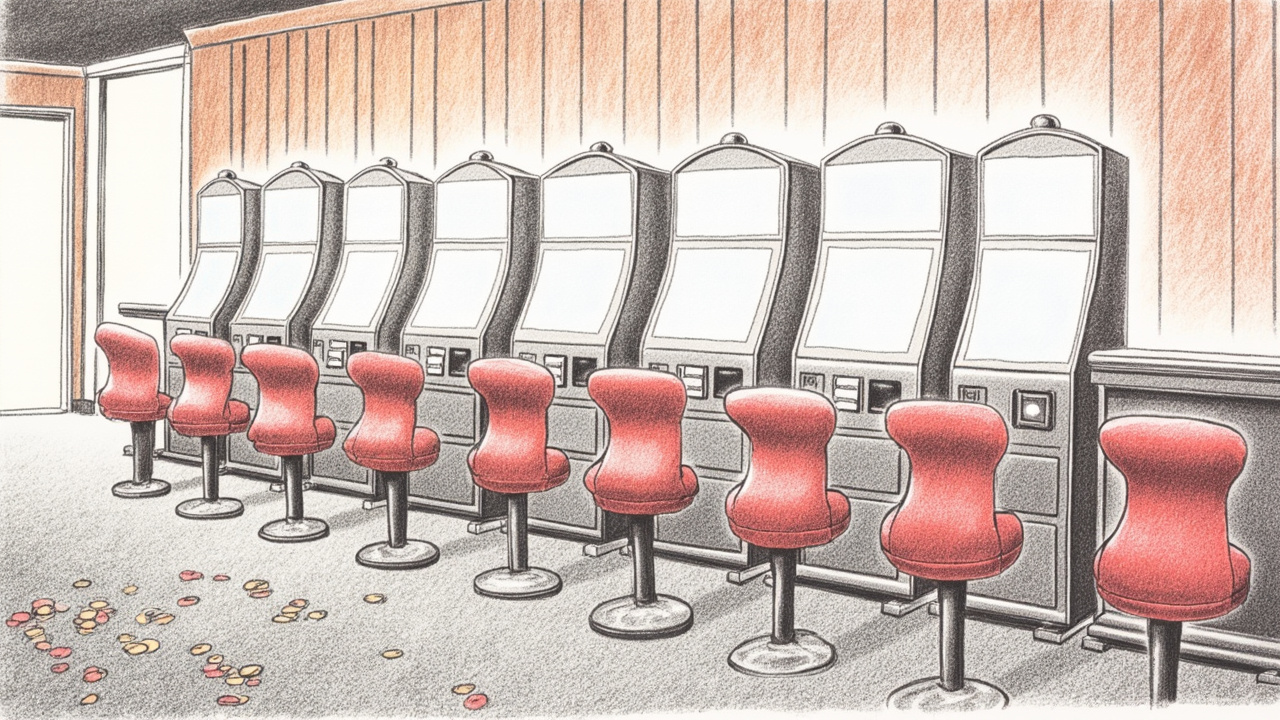
There is also a Geelong angle that is easy to overlook if you are only ever playing online from home. I have seen players from the Geelong area treat a quiet arvo session like it is isolated from the rest of their week, then wonder why the numbers do not add up when they finally review everything together. If you are playing on a lunch break, after work, or between other plans, the spin history should reflect that context, because the same game can feel completely different when you are fresh versus when you are tired and clicking through on autopilot.
A few things are worth keeping separate in your notes:
- Real-money spins in cash AUD, logged with the exact title and stake.
- Demo or free-play spins, if you used them, because they do not belong in the same column as paid sessions.
- Bonus or promotion-triggered play, since the terms can change what “normal” behaviour looks like in the history.
- Session length and rough time of day, because pacing matters even when the result does not.
When those lines stay separate, the review stays usable instead of turning into a vague memory of “I think I was up” or “I think I was down.”
Matching the review to how you actually play
Not every player needs the same depth of review, and that is where a lot of advice goes stale. Someone who plays occasionally for a short session does not need the same spreadsheet mentality as someone who logs several sessions a week and wants to keep stakes consistent. The first scenario is the casual player who mainly wants to know whether a game is worth a few more tries. For that person, spin history is mostly about picking one or two titles and checking whether the pace suits their budget without building a full audit.
The second scenario is the regular session player who already has a rough stake in mind and wants to keep it from drifting. Here the history matters because it exposes creeps: a stake that started at one level and slowly became another, or a game that started as a short try and quietly became the whole session. That is the kind of drift I see in operator environments when there is no clear reconciliation step, and it is just as relevant in a personal cash AUD log. If you are the type who likes a set routine, the review is less about excitement and more about keeping your own rules visible.

The third scenario is the player who uses live tables or live dealer content and needs a different kind of record. Live play has its own rhythm, and the spin history you keep for a slot does not translate cleanly to a live table session. For that fit, the useful detail is often simpler: the table, the stake, the round type if it matters, and whether the session felt like a planned sit-down or a loose one you fell into. Different play style, different record, same principle: write down what actually happened, not what you wish had happened.
If you want to keep the whole thing manageable, pick the one detail you care about most and let the rest stay light. A player who only wants to watch stake creep can ignore provider notes; a player who only wants to compare game fit can ignore session timing. The review works when it matches the reason you started keeping it.
Keeping the habit honest
A good spin history review in cash AUD is really a way to keep your own play readable, not to manufacture certainty out of randomness. The lobby tells you what is available, the history tells you what you actually did, and the gap between them is where most useful judgements live. If you are comparing operators or just trying to understand your own sessions better, a clear log beats a fuzzy memory every time. Sites like spinsamuraireview.net can be a useful reference point when you are comparing how different lobbies present their game mix and discovery tools, but the record that matters most is still the one you keep for your own cash AUD sessions. Play within what you can afford, keep the notes boring, and let the review do what it is actually good for: showing you your own habits in plain view.